Why Some Retail Displays Get Noticed While Others Get Ignored
Visibility isn’t just about where you put the product
Two stores can sell similar products and have similar fixtures, yet one can make its merchandise much easier to notice.
The difference isn’t always the layout. Sometimes it comes down to how the store controls attention.
Customers don’t walk through a shop looking carefully at every shelf. They scan the space, notice certain areas and then decide where to look closer. Retailers who understand that can use relatively simple changes to make important products stand out without filling the store with signs and promotions.
Contrast helps customers find the important stuff
If everything in a store has the same visual weight, very little stands out.
A feature product needs some contrast around it. That could mean a different fixture, more empty space, a change in height or simply better lighting.
This doesn’t mean making the brightest part of the store extremely bright. It means creating enough difference for customers to understand that something deserves a closer look.
Lighting should follow the merchandise
Lighting is often treated as an afterthought, with retailers using whatever fixtures were installed when the shop opened.
That can cause problems. Dark corners make products harder to examine, while overly harsh lighting can create reflections on glass and make certain surfaces difficult to see.
Even enclosed displays benefit from deliberate lighting. Display case lighting can be used to direct attention toward individual products, improve visibility inside a cabinet and create a clear separation between a feature display and the surrounding merchandise.
The important part is matching the light to what is actually being displayed.
Don’t light everything equally
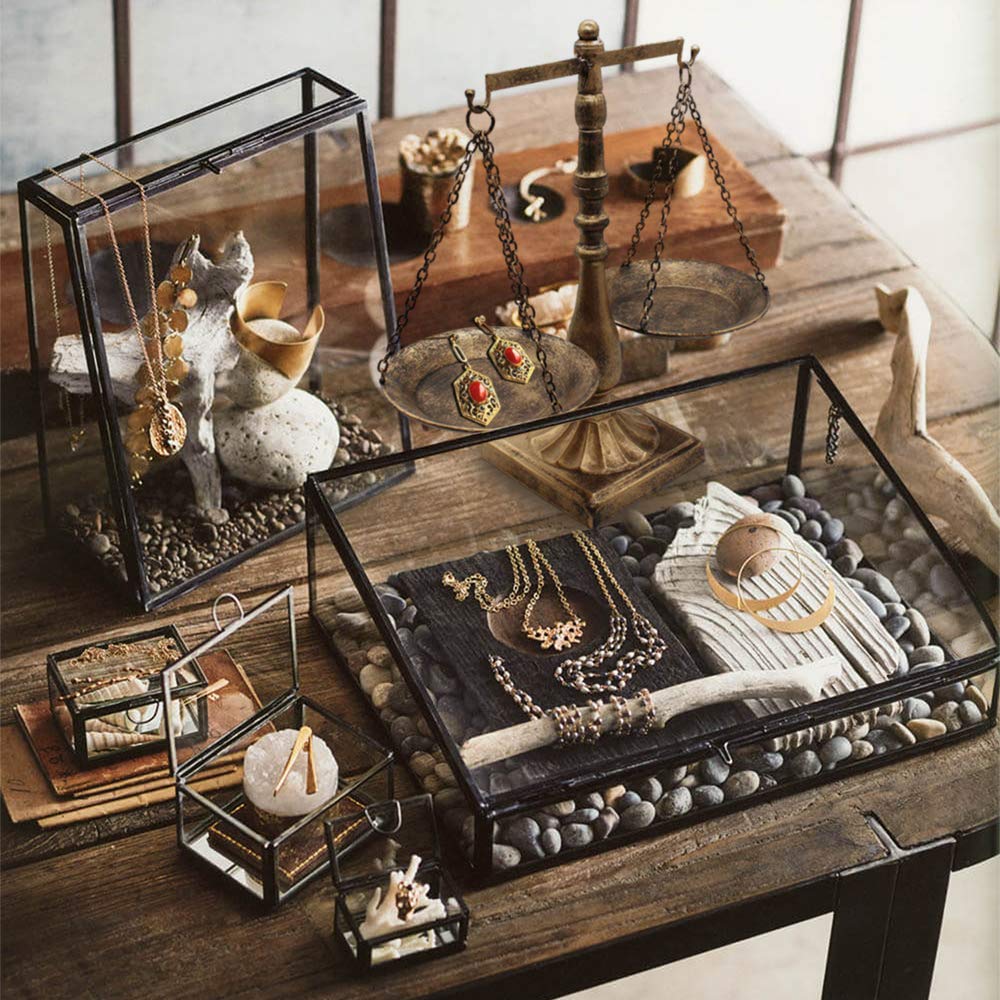
A store where every shelf and display is brightly lit can end up looking flat. There is no clear visual hierarchy.
Instead, think about the areas that genuinely need attention. New products, premium merchandise, seasonal collections or a particularly strong display might justify additional lighting.
Other areas can remain more neutral.
This creates a natural path for the customer’s eye without relying on oversized signs telling them where to look.
Reflections can ruin an otherwise good display
Glass presents another challenge. A display might contain an excellent product arrangement, but reflections from ceiling lights or windows can make the contents difficult to see.
Before installing or repositioning lighting, look at the display from the customer’s normal viewing position. Walk past it at different angles and check whether the glass is reflecting the lights, surrounding fixtures or even the customer themselves.
Sometimes moving a light slightly can make more difference than adding another one.
Colour temperature matters too
The type of light can change how merchandise appears. Warm lighting may suit some fashion, furniture or hospitality environments, while cooler lighting can make certain products look cleaner and sharper.
There isn’t one correct choice for every store. The important thing is consistency within each area and making sure the light doesn’t distort the appearance of the products.
If customers are comparing colours, finishes or materials, accurate presentation matters.
Think about maintenance from day one
Lighting also needs to be practical for staff. Bulbs, LED strips, wiring and fittings eventually need attention, so anything installed inside a difficult-to-access display can become a maintenance headache.
Keep access in mind when planning the setup. A display that looks great but takes an hour to service isn’t a particularly clever solution.
Attention is a limited resource
Customers only have so much attention to give a store. The aim isn’t to make every product compete for it.
Use lighting, spacing, fixture height and contrast to decide what deserves attention and what can simply sit comfortably in the background. When those elements work together, the store can feel more interesting without becoming louder or more complicated.