Common Quality Pitfalls When Scaling Production With Overseas Suppliers
Scaling Production Sounds Simple… Until It Isn’t
Scaling production is usually a good problem to have. Demand increases, orders grow larger, and suddenly the factory that handled small batches without issue is now producing thousands—or tens of thousands—of units at a time.
That’s where things can get tricky.
A lot of importers assume that if a supplier successfully produced the first few orders, scaling up should be fairly smooth. Same product, same factory, just more units. In theory, it should work that way.
But in practice, scaling production introduces a whole new set of variables. Processes that worked fine at smaller volumes sometimes start breaking down once production ramps up.
And that’s often when quality problems begin to show up.
Early Samples Don’t Always Reflect Mass Production
One of the most common pitfalls appears right at the beginning. The initial samples look great. Maybe the factory even produces a small pilot run that meets expectations.
But those samples are usually made under controlled conditions.
Factories will often assign experienced technicians to produce samples, sometimes using slower and more careful processes to make sure everything looks perfect. It’s a bit like a showroom model.
Once mass production starts, the situation changes. Multiple production lines may be involved, different workers are assigned, and the focus shifts toward speed and output. Small variations begin to appear.
Nothing dramatic at first. A slight change in finishing. Minor cosmetic defects. Components that fit a little tighter—or looser—than expected.
Multiply that across thousands of units and the differences become noticeable.
Production Speed Can Affect Quality
Another issue that pops up when scaling production is pressure to meet deadlines. Large orders often come with tight shipping schedules, especially when retailers or seasonal sales are involved.
Factories respond the only way they can—by increasing production speed.
More workers are added to the line. Shifts may run longer hours. Sometimes additional lines are opened to handle the volume.
The challenge is that faster production doesn’t always leave room for careful quality checks. Processes that were once done slowly and methodically may be rushed. Small defects that would have been caught earlier might slip through.
It’s not usually intentional. It’s just what happens when production moves into high gear.
Supply Chain Changes Can Introduce Variations
Scaling up production also affects the supplier’s own supply chain. When a factory suddenly needs three or four times the usual amount of materials, their regular vendors might not always be able to keep up.
So the factory finds alternatives.
Maybe a different component supplier is used. Maybe materials are sourced from a secondary distributor. On paper, the materials are technically the same—but subtle differences can still appear.
Those small variations sometimes affect durability, appearance, or product performance.
From the importer’s perspective, the finished goods look slightly different from earlier batches, even though the supplier insists everything follows the original specifications.
Communication Breakdowns Become More Likely
When orders get bigger, more people become involved in production. Additional supervisors, procurement staff, line managers… sometimes even subcontractors if the factory is operating at full capacity.
The more people involved, the easier it is for communication gaps to appear.
Instructions that were once clear between the buyer and the factory manager may not fully reach the production floor. Small adjustments to specifications might not get passed along to every team working on the order.
It’s rarely a single dramatic mistake. More like a series of small miscommunications that slowly affect the final result.
Oversight Becomes Even More Important
Because of these risks, many experienced importers increase oversight when production scales up rather than relaxing it.
Routine inspections during production help confirm that quality remains consistent as output increases. Production checks can reveal issues early—while there’s still time to fix them before the entire order is completed.
In some cases, companies work with an independent asia inspection company to monitor quality at different stages of production. This kind of oversight gives buyers a clearer picture of how manufacturing is progressing and whether any adjustments need to be made along the way.
Scaling Requires Strong Systems
At the end of the day, scaling production successfully usually comes down to systems.
Factories that handle growth well typically have structured quality control processes, trained supervisors, and consistent documentation. They’ve scaled production before and know how to keep standards steady even as volume increases.
Other factories… not so much.
That’s why experienced sourcing teams rarely assume that a successful sample order guarantees smooth large-scale production. They plan for additional monitoring, clearer communication, and contingency plans if something starts drifting off course.
Because once production reaches full scale, fixing problems becomes a lot more complicated—and a lot more expensive.



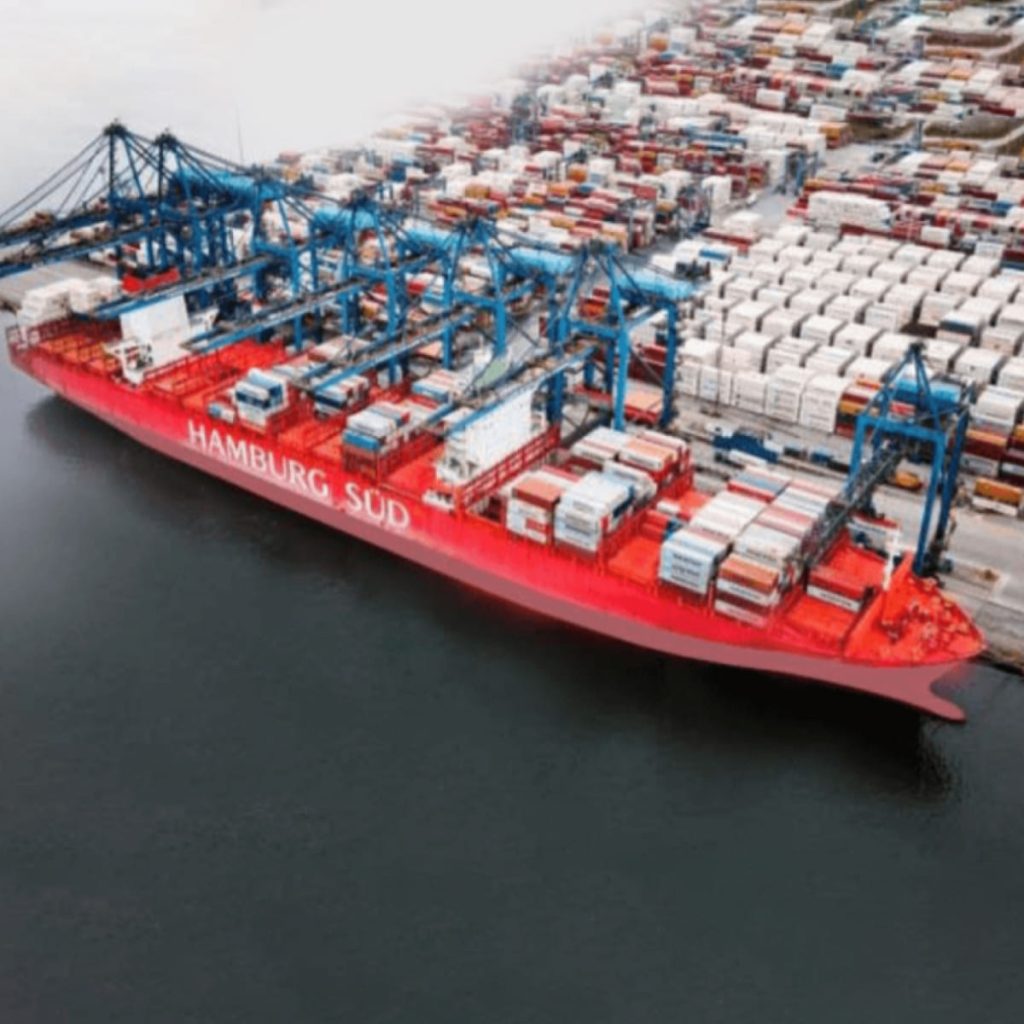 Furthermore, the concept of autonomous shipping is poised to revolutionize the maritime industry in the coming years. Advances in robotics, AI, and sensor technology have paved the way for the development of unmanned vessels that can navigate the oceans without human intervention. While fully autonomous ships are still in the testing phase, they hold the promise of safer, more efficient, and cost-effective transportation. Ship management companies are actively exploring the potential of autonomous shipping and investing in research and development to stay at the forefront of this transformative trend. The evolution of ship management services is driven by a convergence of technological innovation, regulatory changes, and market dynamics. From digitalization and predictive maintenance to sustainability and autonomous shipping, the maritime industry is witnessing unprecedented transformation. As the demand for safe, efficient, and environmentally responsible shipping continues to grow,
 :max_bytes(150000):strip_icc()/GettyImages-1455365261-39a975b1e4f64a14af9aabfd0f9f5165.jpg)