AI Trading Algorithms Turn Volatile Markets into Golden Opportunities
In today’s rapidly evolving financial landscape, volatile markets can either be a source of high stress or great opportunity, depending on how prepared a trader is to navigate the fluctuations. This is where AI trading algorithms have become game-changers, transforming market uncertainty into profitable moments with unprecedented accuracy and speed. Leveraging advanced data analytics, machine learning, and real-time processing, these intelligent systems are capable of scanning enormous volumes of financial data in seconds. They identify patterns, trends, and correlations that the human mind might overlook or take too long to process. This enables traders to react faster and more strategically, even when markets are swinging wildly. Volatility often presents a challenge to traditional traders who rely on intuition, historical trends, or delayed news analysis. But AI-powered trading systems thrive in such unpredictable environments. By constantly learning and adapting to new information, these algorithms do not merely follow past trends they anticipate future movements based on current data, predictive modelling, and probabilistic forecasting.
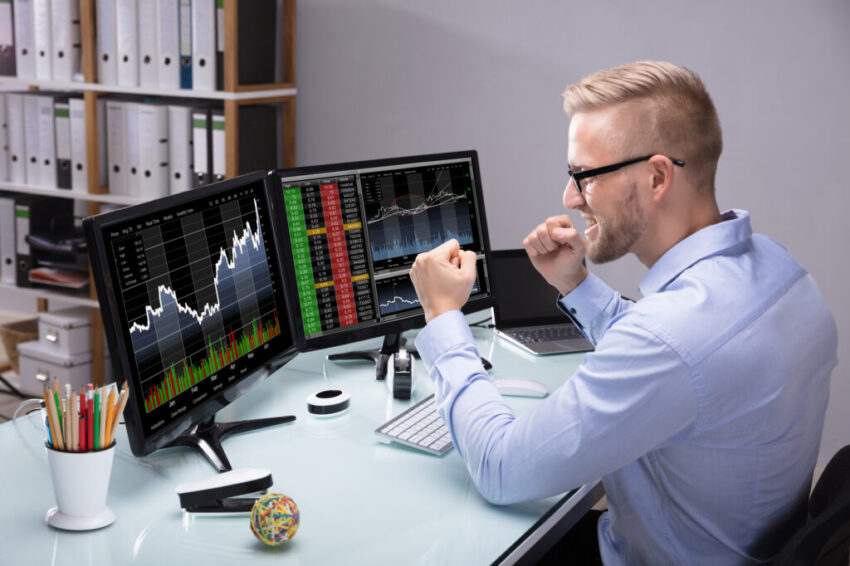
Traders using AI benefit from a systematic, emotion-free process that capitalizes on even the smallest price movements. One of the most impressive strengths of AI trading algorithms lies in their ability to execute trades at lightning speed. In volatile markets, prices can shift dramatically within seconds. A human trader may hesitate or misjudge the timing, but an AI system can analyze multiple indicators and trigger trades in microseconds, ensuring that opportunities are seized at the right moment Korvato Scam or not? Moreover, these algorithms can simultaneously manage multiple assets, monitor different markets, and adjust strategies in real time capabilities far beyond the scope of individual traders. Another key advantage is risk management. AI algorithms are designed not only to find profit potential but also to minimize losses through dynamic risk assessment. They incorporate stop-loss mechanisms, position-sizing techniques, and exposure balancing to safeguard portfolios. During extreme market volatility, these features become essential to avoid massive drawdowns and maintain consistent performance.
Many systems also use back testing and simulations to fine-tune strategies before deploying them in live conditions, which enhances reliability even further. Additionally, AI trading tools democratize access to high-level market analysis, empowering everyday investors to operate with a level of insight previously reserved for professional fund managers. Whether it is commodities, forex, stocks, or crypto markets, AI systems are versatile and can be tailored to various financial instruments and timeframes. This opens up a wide array of possibilities for traders looking to diversify and capitalize on short-term or long-term opportunities. In conclusion, while market volatility may unsettle many investors, AI trading algorithms offer a powerful solution for turning those fluctuations into golden opportunities. Their speed, precision, adaptability, and objectivity help users stay ahead in even the most chaotic conditions. As technology continues to evolve, these intelligent trading systems will likely play an even greater role in shaping the future of finance helping traders of all levels unlock potential in the most unpredictable market scenarios.
 This level of precision is essential for developing robust trading strategies and minimizing risks associated with currency fluctuations. Speed is another critical factor in the forex trading arena. The forex market operates 24 hours a day, five days a week, and the ability to execute trades rapidly can make all the difference between a successful trade and a missed opportunity. An all-in-one platform must be equipped with cutting-edge technology that ensures fast order execution, minimal latency, and efficient trade management. Features such as one-click trading, automated trading algorithms, and instant market alerts can empower traders to react swiftly to market movements, enhancing their competitive edge in the market. Control is equally vital for traders aiming to navigate the complexities of forex trading. A comprehensive platform should provide users with an array of customizable tools to manage their trades effectively. Risk management features, such as stop-loss and take-profit orders, enable traders to set predetermined exit points, thus safeguarding their investments.