Silent and Sustainable – Electric Tricycles Lead the Green Mobility Revolution
In an era marked by a growing emphasis on sustainability and environmental consciousness, electric tricycles e-trikes are emerging as champions of green mobility. These compact, three-wheeled vehicles are transforming urban transportation by offering a silent, sustainable, and accessible alternative to traditional gasoline-powered vehicles. With their eco-friendly design and efficient electric propulsion, e-trikes are paving the way for a cleaner, quieter, and more efficient future in urban transportation. One of the most significant advantages of e-trikes is their minimal environmental impact. Unlike their fossil fuel counterparts, e-trikes produce zero tailpipe emissions, which means cleaner air and reduced greenhouse gas emissions. This shift towards electrification aligns with global efforts to combat climate change and reduce air pollution in congested urban areas. The silent operation of e-trikes is another striking feature that distinguishes them from conventional vehicles.
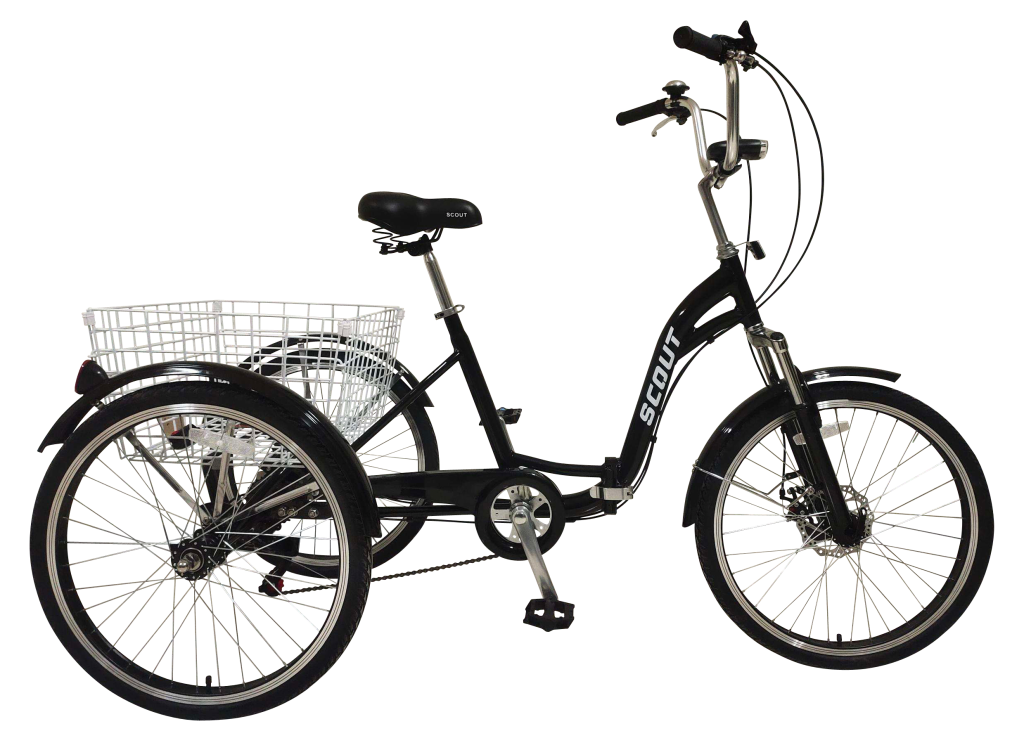 While noisy internal combustion engines contribute to noise pollution in cities, e-trikes move almost silently through the streets. This not only enhances the overall quality of life for urban residents but also reduces noise-related stress and health problems. Silent mobility is not just a convenience; it is a healthier choice for everyone. Furthermore, e-trikes are highly energy-efficient. Electric motors are known for their efficiency in converting electrical energy into mechanical motion. This efficiency translates into cost savings for operators and riders alike. E-trikes can travel significant distances on a single charge, making them an economical choice for daily commuting electric tricycle. With lower operating costs and minimal maintenance requirements compared to gasoline-powered vehicles, e-trikes offer a sustainable and cost-effective transportation solution. Another benefit of e-trikes is their accessibility. These vehicles are designed with inclusivity in mind. They offer a stable and easy-to-use platform, making them suitable for a wide range of riders, including the elderly and people with disabilities.
E-trikes have the potential to improve mobility options for those who might face challenges in using traditional bicycles or other forms of public transportation. Moreover, e-trikes contribute to the reduction of traffic congestion in cities. As more people adopt these eco-friendly vehicles for daily commuting, there is less reliance on cars and traditional motorbikes. This shift reduces traffic congestion, leading to shorter commute times and decreased stress for urban residents. Additionally, the compact size of e-trikes allows for efficient maneuvering in dense traffic, further reducing travel times and enhancing overall urban mobility. To promote the widespread adoption of e-trikes, governments and municipalities are implementing incentives and infrastructure improvements. These include dedicated charging stations, bike lanes, and subsidies to make e-trikes more affordable. Such investments not only encourage cleaner transportation but also contribute to the creation of jobs in the renewable energy and electric vehicle sectors. In conclusion, electric tricycles are at the forefront of the green mobility revolution, offering a sustainable, silent, and accessible alternative to traditional vehicles. With their minimal environmental impact, energy efficiency, and potential to reduce traffic congestion, e-trikes are making urban transportation cleaner, quieter, and more efficient. As cities worldwide strive to build a greener future, the silent hum of electric tricycles is becoming a symbol of progress in the journey towards sustainable urban mobility.