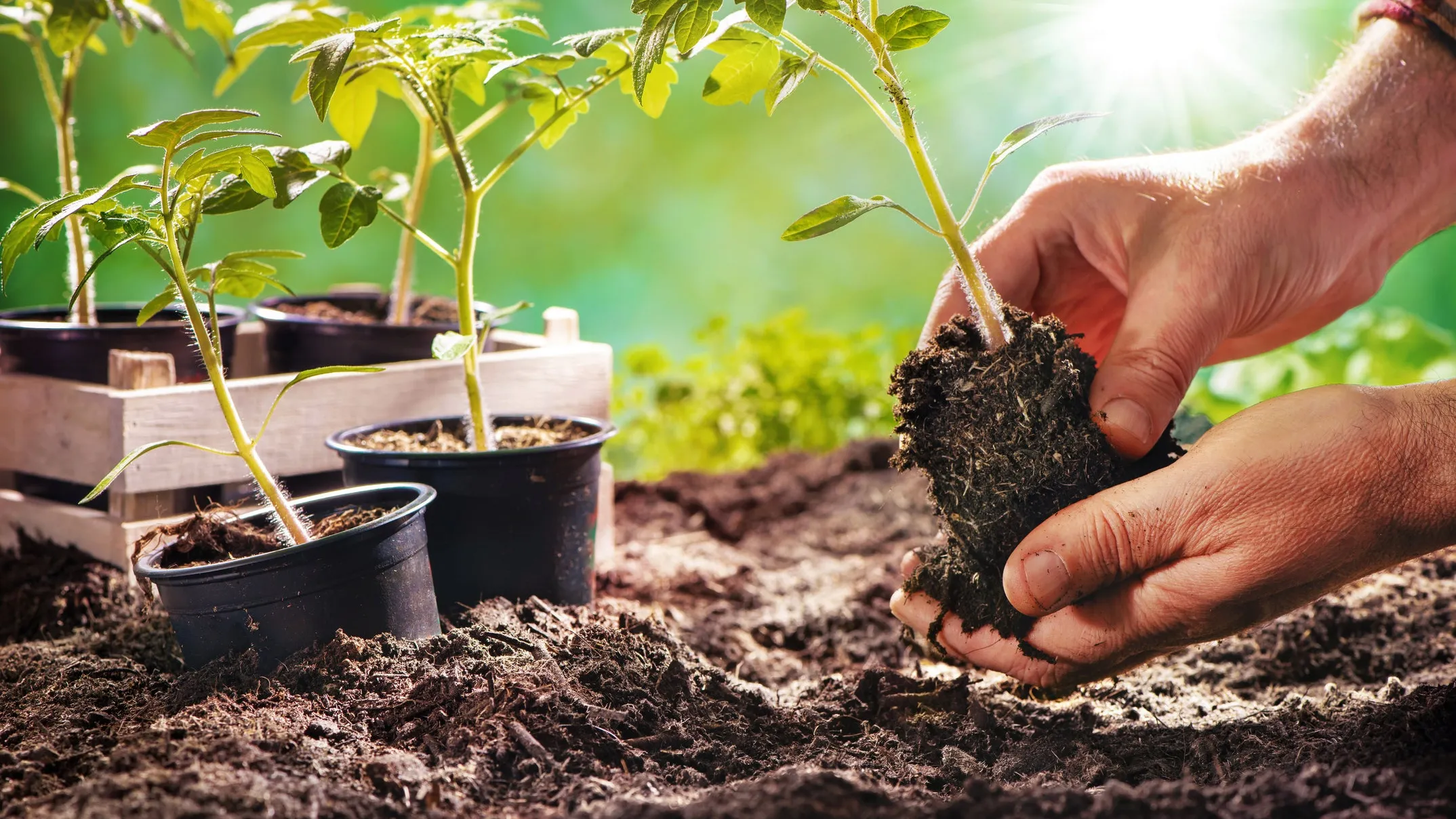
Tackling Common Plant Problems – Troubleshooting Tips for Gardeners
Maintaining a thriving garden can be a rewarding endeavor, but even the most experienced gardener’s encounter common plant problems from time to time. Troubleshooting these issues requires a combination of careful observation, timely intervention and a bit of horticultural know-how. One prevalent challenge is pests and diseases. Aphids, mealybugs and spider mites are frequent culprits that can wreak havoc on plants by feeding on their sap and transmitting diseases. To tackle this issue, regular inspection of plants is crucial. Integrated Pest Management (IPM) strategies, such as introducing beneficial insects like ladybugs or using neem oil-based sprays, can help control pest populations without resorting to harsh chemicals. Another hurdle is improper watering. Overwatering or underwatering can lead to stress and susceptibility to diseases. To combat this, it is vital to understand the specific water needs of different plants and the drainage capacity of the soil they are in. A well-draining soil mix and a consistent watering schedule that accommodates each plant’s preferences can prevent these problems.

Yellowing leaves can be a distressing sight for gardeners. This can indicate nutrient deficiencies, particularly nitrogen, iron or magnesium. Conducting a soil test can pinpoint deficiencies and guide the application of appropriate fertilizers. Additionally, amending the soil with organic matter improves its nutrient-holding capacity over time, promoting healthy plant growth. Wilting or drooping plants might signal root issues, often caused by poor soil aeration, compacted roots or diseases like root rot. Addressing this involves ensuring proper soil structure through tilling, mulching and avoiding excessive soil compaction. Using sterile potting mix and providing adequate drainage can deter root rot. Sunlight inadequacies can stunt plant growth and hinder flowering. Different plants require varying levels of sunlight, so placing them in suitable spots is essential. Regularly monitoring the garden’s sun patterns and adjusting plant placement accordingly can help mitigate this problem.
Pruning and training plants improperly can impede their growth and form. It is important to learn the appropriate pruning techniques click this site for different plant types. Regularly removing dead or diseased branches encourages healthy growth and prevents the spread of infections. In conclusion, successful gardening involves not only cultivating plants but also navigating the challenges they encounter. By closely observing your garden, practicing preventive measures and acquiring knowledge about plant needs, pests, diseases and maintenance techniques, you can tackle common plant problems with confidence. Remember that every garden is unique and a combination of patience and proactive care is key to maintaining a vibrant and flourishing outdoor space.